




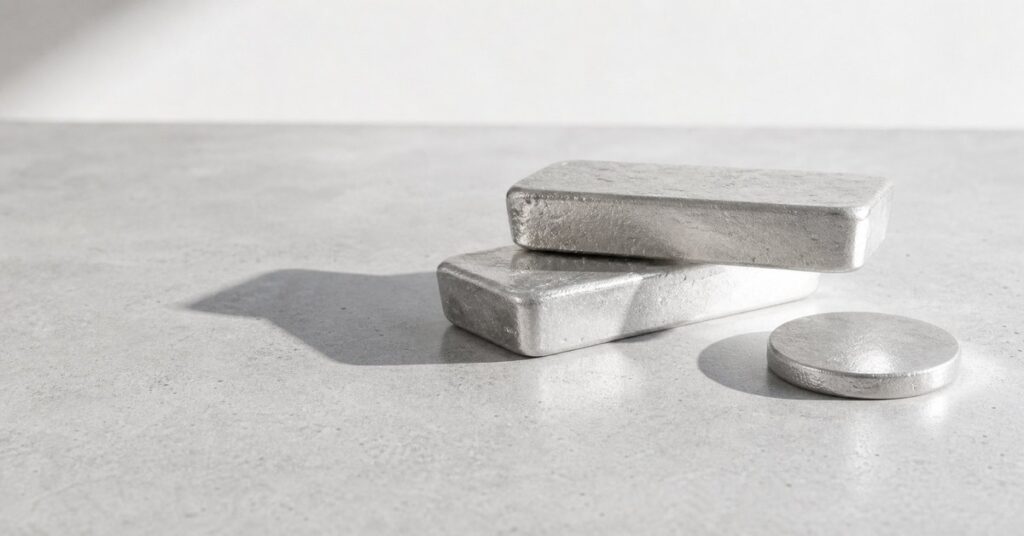
Palladium has been written off more than once, but the bullish case is still alive. A tighter supply backdrop, tougher emissions regulation, and a slower-than-expected transition to full electric vehicles all give the metal reasons to stay relevant.
Why palladium still matters
Palladium remains closely linked to automotive catalysts, especially in petrol and hybrid vehicles. That means it still has a real industrial role, even as the market debates how long that role will last. For investors and readers, that makes palladium different from metals whose demand stories are easier to define.
The case for the metal is not that it will return to its old dominance. It is that the market may have become too confident about its decline.
Supply remains a support
One of palladium’s strongest bullish arguments is supply concentration. Production is heavily dependent on a small number of mining regions, which makes the market vulnerable to disruption. When supply is concentrated, even modest setbacks can have an outsized effect on availability and pricing.
That matters because palladium is not a metal that can quickly be brought back into balance if demand surprises to the upside. Mine output changes slowly, and recycling supply does not always respond instantly either. If primary supply stays tight while demand proves more durable than expected, prices can strengthen quickly.
Regulation still helps
Tighter emissions standards remain an important support for palladium. Even if the auto market is changing, combustion engines and hybrids still need catalyst systems to meet environmental rules. In that sense, regulation can keep palladium relevant for longer than a simple EV narrative might suggest.
There is also a practical point here: automakers often need metals that deliver reliable performance under strict emissions conditions. That creates ongoing demand for auto catalysts, especially in markets where petrol and hybrid vehicles remain central to the fleet. If regulation tightens faster than vehicle electrification, palladium demand can stay firmer than bearish forecasts assume.
EV adoption may be slower than expected
Electric vehicles are the biggest long-term threat to palladium demand, but the transition is not always linear. Adoption rates can slow when consumers face higher prices, charging concerns, infrastructure gaps, or reduced incentives. In that environment, hybrids and efficient combustion vehicles can remain important for longer.
That is bullish for palladium because it preserves catalyst demand. If the market expected a rapid replacement of internal combustion engines but the transition takes longer, palladium gets more time to benefit from legacy vehicle demand. Even a modest delay in EV growth can matter when a metal’s demand is concentrated in one major end use.
The investment case
Palladium often moves sharply when sentiment shifts. That makes it a metal where supply risks and policy changes can matter more than many people expect. If investors become too focused on the long-term EV story and ignore current industrial demand, palladium can look undervalued relative to its actual market position.
There is also a relative-value argument. When palladium trades at a wide premium or discount versus platinum, manufacturers may switch between the two, but that process itself can create opportunities. In other words, palladium is not just a standalone metal story; it is part of a broader precious metals and industrial metals rotation.
What could drive upside
Several factors could support a more positive palladium outlook:
- Disruptions to major supply regions.
- Faster-than-expected emissions tightening.
- Stronger hybrid demand.
- Slower EV adoption than the market currently assumes.
- A renewed price-driven rebound in investor interest.
Each of these factors on its own may not be enough to create a major rally. Together, though, they form a credible bullish case.
Conclusion
The bullish case for palladium is not based on hype. It rests on a simple idea: supply is concentrated, regulation still supports catalyst demand, and the EV transition may be slower and less uniform than many forecasts suggest. That combination gives palladium a stronger near- and medium-term outlook than the market often gives it credit for.
For readers, the lesson is straightforward. Palladium may be facing structural change, but structural change does not mean immediate decline. In the right conditions, it can still surprise on the upside.
