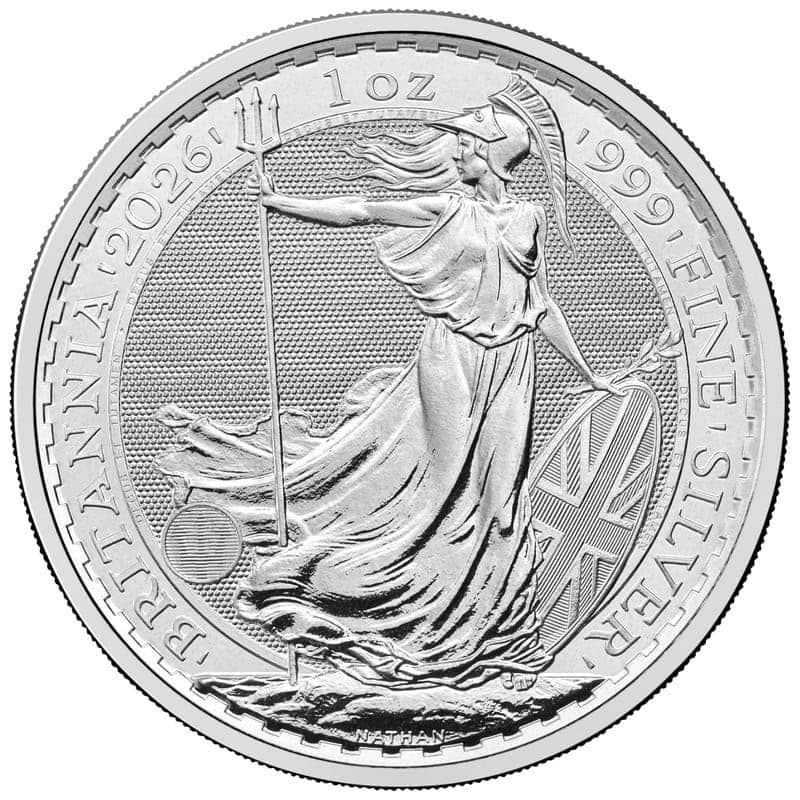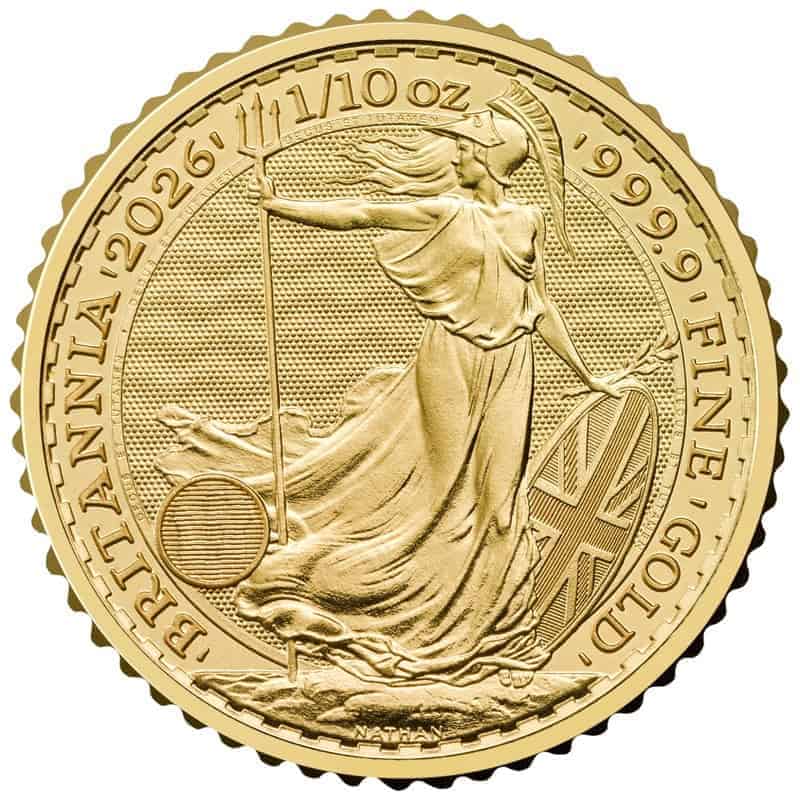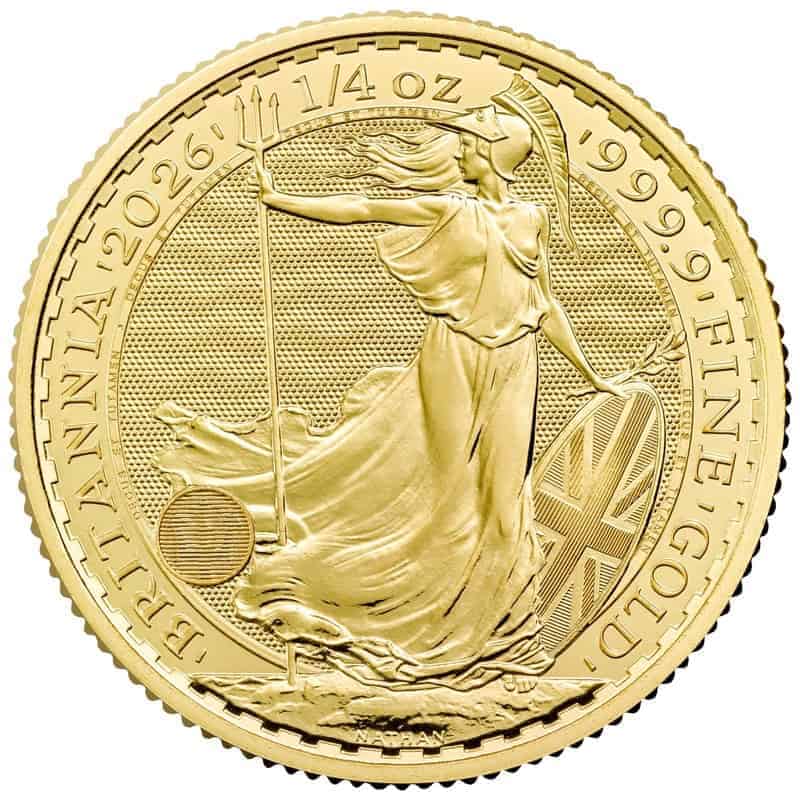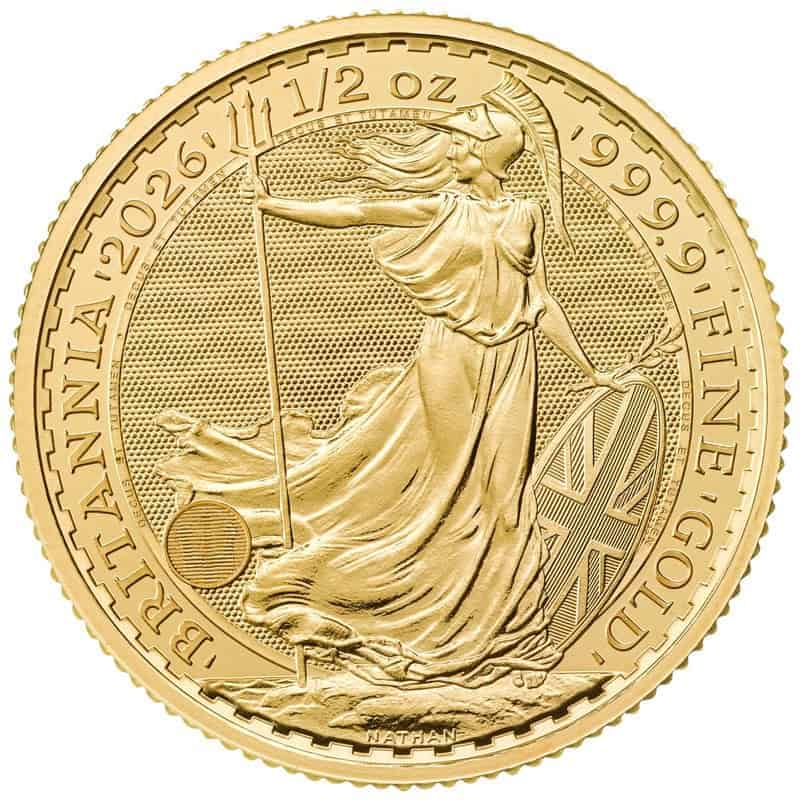




Gold, silver, and platinum have held important places in financial markets and everyday life for centuries. Their prices don’t stay put. They are constantly shaped by forces ranging from global economic policies to cutting-edge industrial developments. In this piece, we’ll dive into what drives these ups and downs, pulling from key historical moments and the latest economic outlook.
Supply and Demand: The Core Drivers
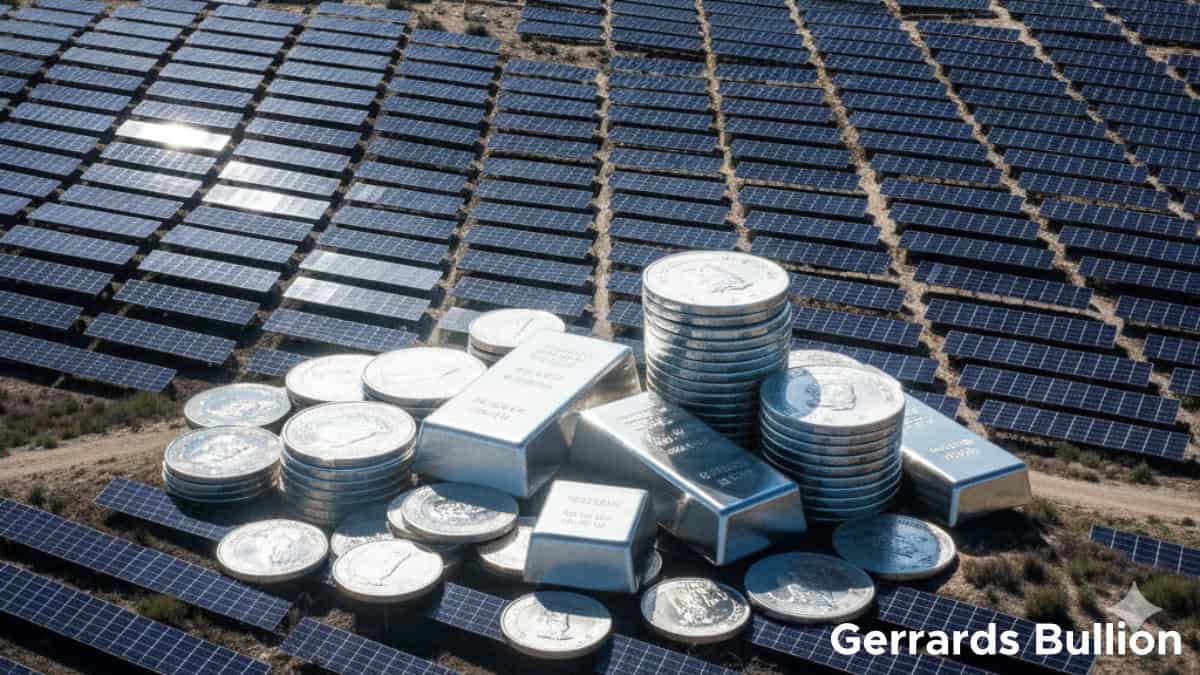
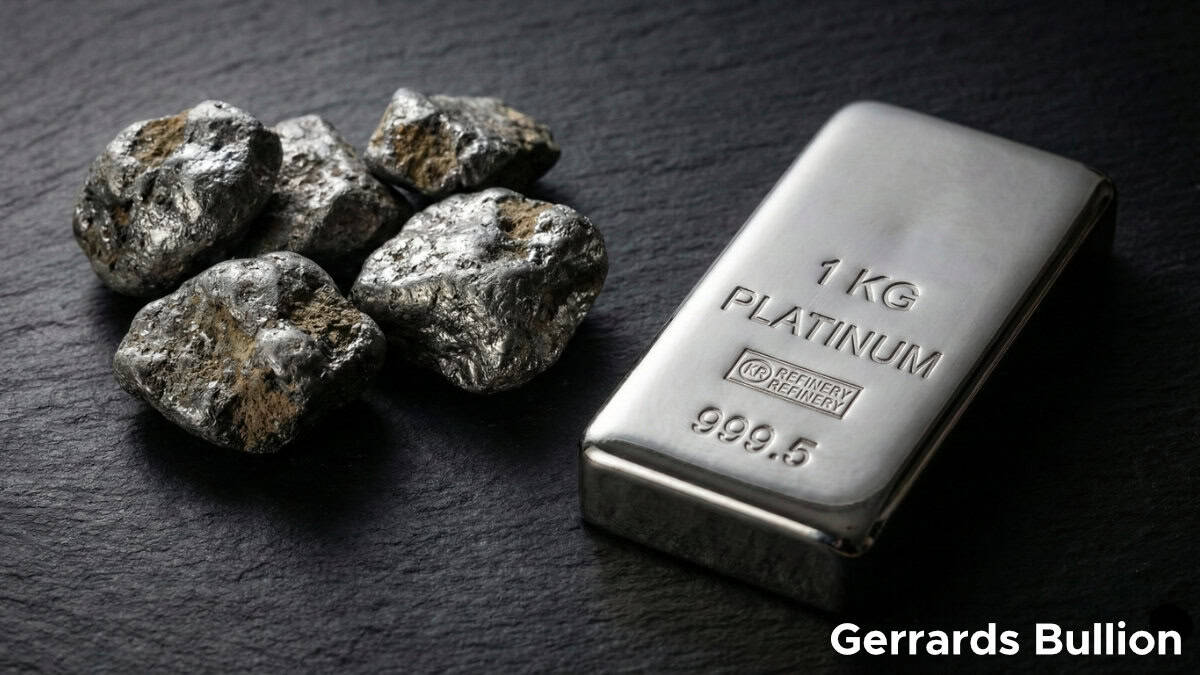
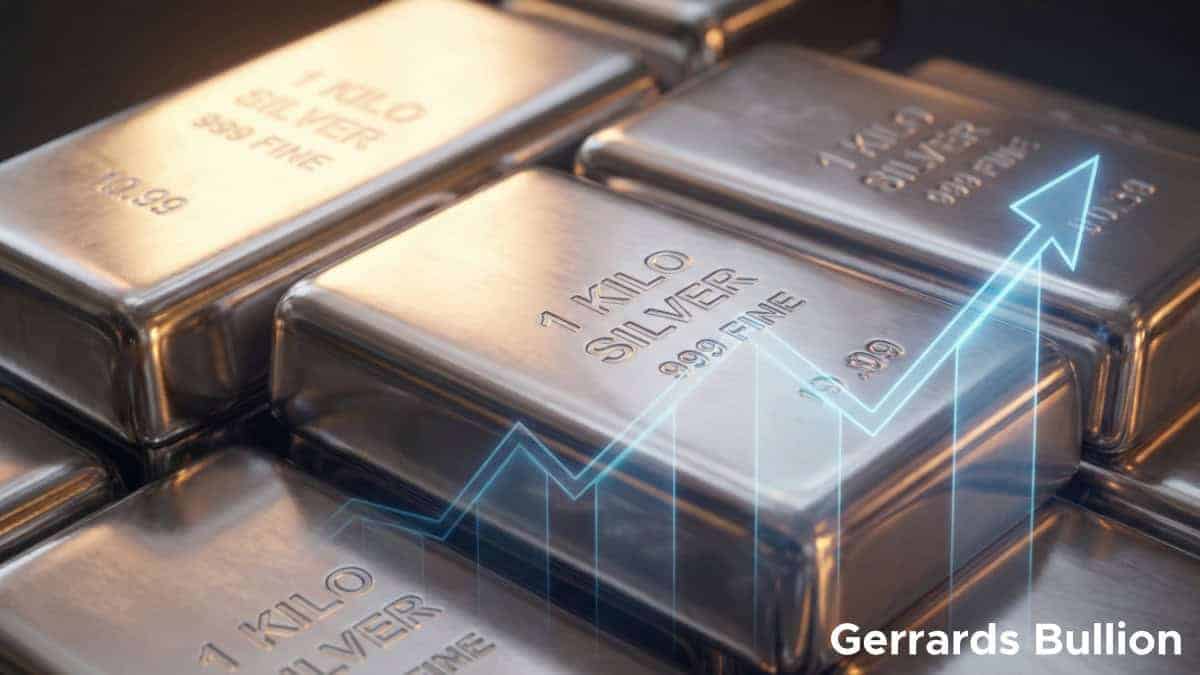
It all boils down to basic economics: how much metal is out there and how much people need it. When major new deposits are discovered, the market gets flooded, often leading to unexpected twists in pricing. Take the California Gold Rush in 1849. It dumped huge amounts of gold into circulation, sparking inflation around the world in the years that followed. Yet, for the miners on the ground, this glut drove up the cost of basic goods, eating into their hard-earned gains. Silver had its own wild ride in the late 1970s, when the Hunt brothers made a bold play to corner the market. They pushed prices through the roof temporarily, but the whole thing collapsed, and new regulations helped bring things back into balance. Fast forward to now, and silver supplies are facing significant pressure from industrial demand, especially in solar panels and electronics. Volumes are struggling to keep pace, with some experts forecasting prices over 50 dollars an ounce by 2026. Platinum is in a similar bind, pulled between its established uses and emerging demands in clean energy like hydrogen fuel cells, which keeps its market on a knife edge.

Inflation: A Safe Haven in Turbulent Times
Precious metals often shine brightest when inflation heats up, acting as a buffer against eroding currency values. Back in the 1970s, U.S. inflation hit double digits at times, sending gold from a locked in 35 dollars an ounce to over 800 dollars as investors sought solid ground. We saw echoes of this after the 2008 crash, with gold climbing close to 1900 dollars amid all the uncertainty. These days, inflation in big economies is running at about 3 percent to 5 percent. This is not as wild as those earlier peaks, but still enough to keep people watchful. Gold continues to play its age-old role as a reliable hedge, a tradition that has stood the test of time.
Geopolitical Tensions: When World Events Take the Wheel
Global conflicts and political friction tend to give precious metals a lift. During the 1991 Gulf War, gold ticked up as worries about oil supplies and regional chaos spread. The 2022 Russia Ukraine war delivered even bigger jolts, pushing gold past $2000 an ounce briefly. Add in shaky supplies from places like Russia, which dominates palladium production, and you have got ongoing uncertainty. These issues are magnified, especially when they intersect with tech trends such as heightened demand stemming from increasing production of electric vehicles.
Interest Rates: The Push and Pull of Borrowing
Central banks interest rate decisions can make or break the appeal of metals. Higher rates make non yielding assets like gold less enticing, as bonds start paying out more. In the 1980s, the Fed cranked up rates to tame inflation, and gold took a hit as investors shifted gears. But when rates ease, metals often bounce back strong. Right now, rates are sitting around 4 percent to 5 percent in the U.S. and comparable spots. Looking ahead, some analysts reckon cuts could give silver a boost by making borrowing cheaper for industries and ramping up demand.
Currency Moves: Dollar Up, Metal Down
Since most trading happens in U.S. dollars, a weaker buck can make metals more affordable for overseas buyers, driving prices up. Between 2002 and 2008, a sliding dollar helped gold vault from 300 dollars to 1000 dollars an ounce. On the flip side, a stronger dollar, often during crises, pulls prices down. The dollar has been jittery lately, thanks to budget squabbles and the ongoing uncertainty of the effects of tariffs on both the US and world economies. Investors are eyeing potential changes, particularly if buying picks up in powerhouse markets like China or India.

Sentiment and Speculation: The Human Factor
At times, pure psychology takes over, with hype or fear sending prices on a rollercoaster unrelated to actual supply. The dot com crash around 2000 made gold look like a steady bet again, while silver frenzy in 2011 showed how speculation can inflate values before they crash back to earth. With apps and ETFs lowering the barriers to entry, more everyday investors are jumping in, which can magnify these swings. There is particular excitement around silver and platinum, viewed as bargains due to their key roles in the green tech push and continued under supply versus demand.
Final Thoughts
Across centuries and continents, precious metals have weathered wars, booms, busts, and technological revolutions. Now, as investors weigh risks from inflation, geopolitical spats, and new tech, the same classic forces guide prices. Being aware of these drivers is key to understanding why gold, silver, and platinum keep winning attention, even as the world changes around them.