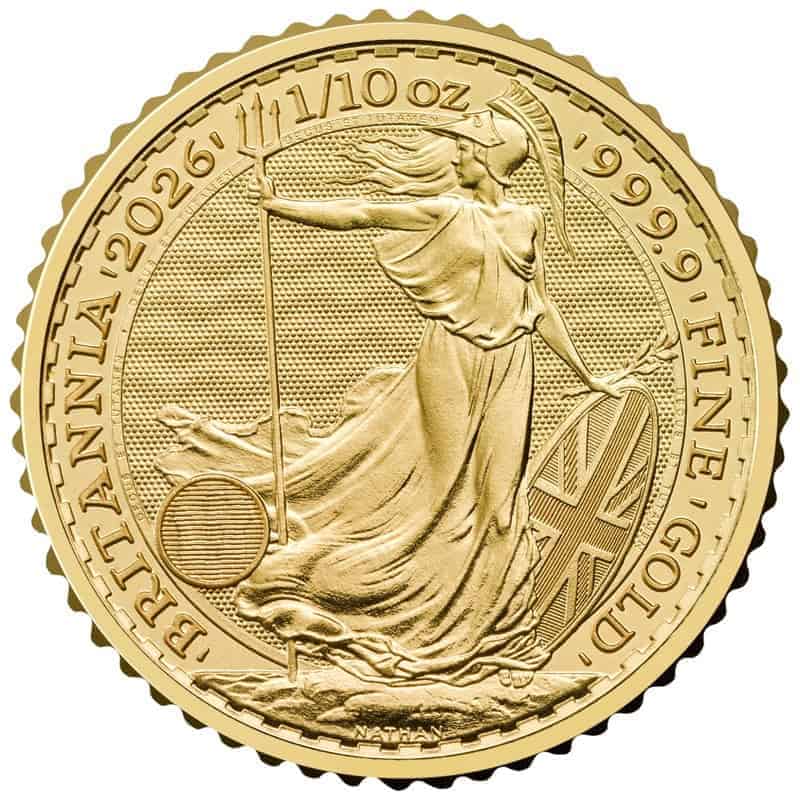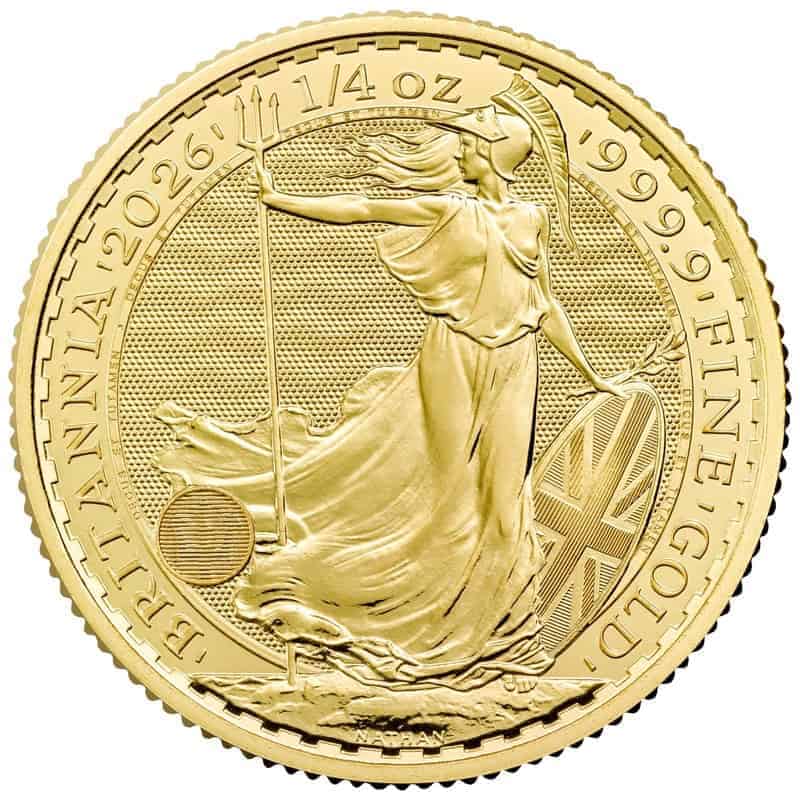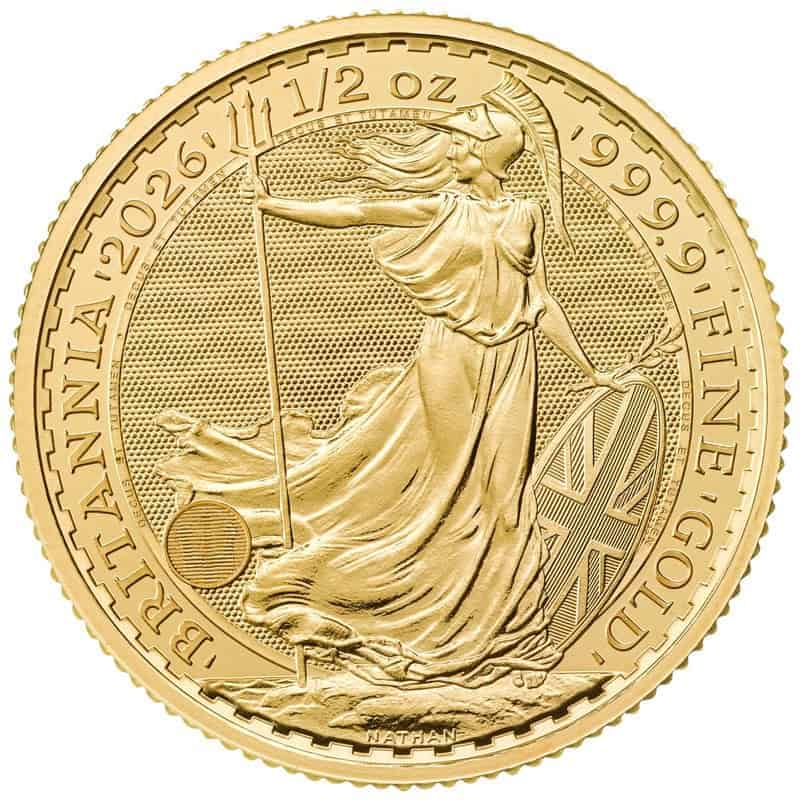



Looking ahead to 2026, forecasts for gold prices are remarkably positive, with major financial institutions and analysts pointing to new all-time highs. This upbeat view stems from solid evidence such as strong central bank purchasing, ongoing inflation pressures, limited mining supply, and evolving economic conditions. As 2025 wraps up, gold is hovering around $4,000 (£3,040) per ounce, a 50% rise since the start of the year and hitting highs beyond $4,300 (£3,268) in October. A Reuters poll of 39 experts puts the median prediction at $4,275 (£3,250) for 2026, with end-of-year figures generally falling between $3,825 (£2,907) and $5,350 (£4,066) per ounce.
J.P. Morgan Private Bank recently bumped up its estimate to $4,975-$5,062 (£3,781-£3847) per ounce, which could mean a solid 25% jump from where we stand now, and a longer-term target of $6,000 (£4,560). Goldman Sachs is equally bullish, eyeing $4,900 (£3,723) by the final quarter of 2026 and expecting central banks to keep building their gold reserves for years to come. Banks like Bank of America, HSBC, Société Générale, and Van Eck are aligning around a $4,775 (£3,629) mark, driven by falling interest rates worldwide, stubborn inflation, massive inflows into gold ETFs, and steady demand from central banks. Morgan Stanley just raised its call to $4,400 (£3,343), linking the adjustment to reactions in the market from fresh tariffs, tensions in the Middle East, questions over U.S. policy, and the recent government shutdown—suggesting another 10% uptick from October’s peaks.
Research from Goldman Sachs points out that central banks in emerging markets, including China, still hold relatively little gold compared to their counterparts in developed economies. For instance, China has under 10% of its reserves in gold, while the U.S., Germany, France, and Italy top 70%, creating plenty of space for more buying. Nitesh Shah at WisdomTree sees official purchases and smart retail investments as the key forces pushing gold in 2026, though elevated prices could put a damper on demand for jewellery. The London Bullion Market Association (LBMA) anticipates trading in the $3,825 to $4,588 range (£2,907-£3,486), with experts noting a consistent interest in gold as a way to spread risk amid currency fluctuations and policy uncertainties.
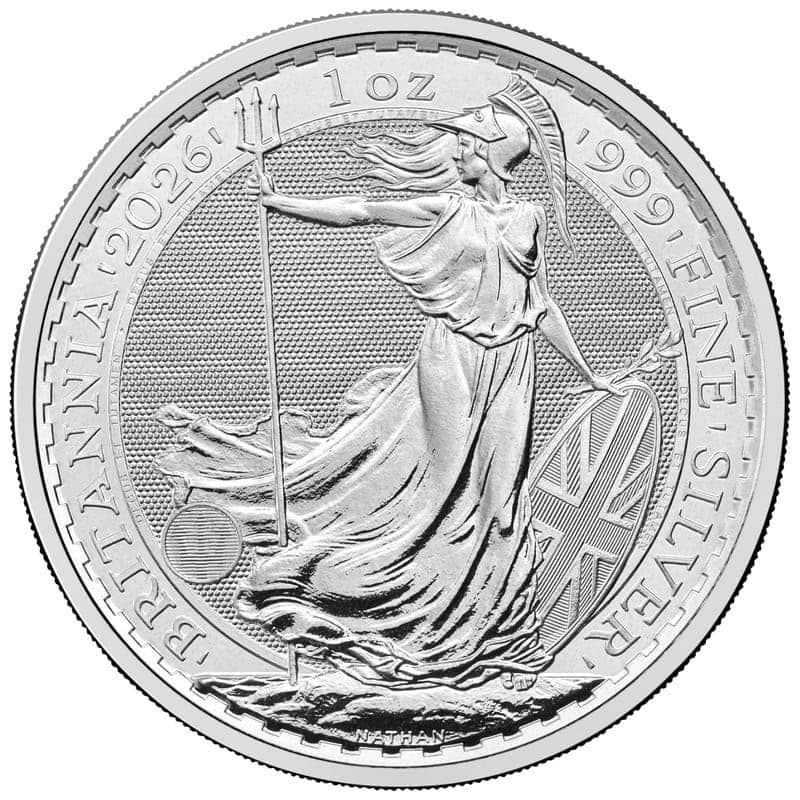
From a technical standpoint, the case for higher prices looks even stronger. Analysts drawing on Fibonacci extensions suggest gold might climb to $4,775 to $5,350 (£3,629-£4,066) per ounce, a potential 40% surge if the upward momentum holds. The picture for silver is improving too; that same Reuters survey now projects $48 (£36) per ounce in 2026, up sharply from the $36 (£27) forecast of a few months back.
At the core, these projections are backed by enduring fundamentals. Central banks snapped up over 600 tonnes net in 2025 – almost twice the average of the previous decade – with big players like China, India, Turkey, and Poland leading the charge. Gold ETFs saw record quarterly inflows, and everyday investors ramped up buying to shield their portfolios from market swings and growing government debt. On the supply side, new mining output hasn’t budged much; despite the price boom, few major projects have come online, as it often takes over five years to get them going. This ongoing supply squeeze is a big reason why prices are expected to keep rising.
Experts in the field see this gold surge as more than just a knee-jerk response to immediate crises but as a sign of broader changes. David Russell from GoldCore puts it down to a fundamental loss of faith in governments, currencies, and the broader financial setup. That said, most agree there could be some bumps along the way, with short-term dips and volatility on the horizon. David Schlesser at Van Eck warns of price swings as traders take profits after heavy speculation, especially in the ETF space. Not everyone is quite as gung-ho, though. A few prominent banks take a more tempered stance: ING forecasts an average of $4,150 (£3,152) for 2026, and Deutsche Bank aims for $4,000 (£3,040). These represent respectable numbers above long-term averages, but not as aggressive as the leaders.
Overall, the 2026 gold landscape is defined by unprecedented central bank activity, sticky inflation, tight supplies, and wobbly global currencies. That $3,825-$5,350 (£2907-£4,066) range draws strength from impressive gains so far this year, reliable investment trends, and broad agreement from analysts and charts alike. Still, with possible corrections and surprise economic twists in play, it’s wise for investors to keep a close eye on central bank moves, policy shifts, and broader market risks to navigate the opportunities ahead.